
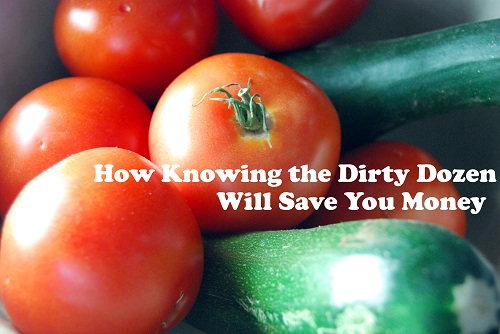
The Dirty Dozen. You may have heard of it or seen the phrase in a news article sometime over the last several years. It may sound a little odd so here’s an explanation in case you didn’t know.
The Dirty Dozen is a list that the Environmental Working Group (EWG) puts out each year to tell consumers which of the produce currently available on the market has the highest amounts of pesticides used on them. You can lower your intake of pesticides and other harmful chemicals by not buying the items on the Dirty Dozen list and buying them in organic instead.
The current items on the 2013 Dirty Dozen list are:
- Apples
- Celery
- Cherry Tomatoes
- Cucumbers
- Grapes
- Hot Peppers
- Nectarines
- Peaches
- Potatoes
- Spinach
- Strawberries
- Bell Peppers
- Kale
- Summer Squash
All of these produce items should be avoided in their conventional form and you should purchase organic instead.
Alternately, the EWG also puts out a list of The Clean 15. These are fruits and veggies that have been tested to have the lowest amounts of pesticides used on them. They are:
- Sweet Potatoes
- Peas
- Pineapple
- Sweet Corn
- Papayas
- Onions
- Mushrooms
- Mangoes
- Kiwi
- Grapefruit
- Eggplant
- Cantaloupe
- Cabbage
- Avocadoes
- Asparagus
These fruits and fruits are safe to buy non-organically, there is no need to buy the organic versions of these for the pesticide levels alone.
Knowing the fruits and veggies on these lists will save you money because you will know which fruits and vegetables you can buy non-organically, which are almost always cheaper than buying organic produce. Another way to save on organic produce is to buy the conventional versions of produce with some kind of hard outside shell such as watermelon, coconuts, ect.
You’ll want to make sure that you check this list with each new year as it could possibly change as they test the produce.
Have you heard of the Dirty Dozen/Clean 15 before? To you use the rules when you shop?
Did you enjoy this post? Find more money saving tips here.